
Community
Peggy Flanagan wants new Senate Democratic leader to replace Chuck Schumer
By Marcus Chen
Advertisement · Why this ad?
Marcus manages the day-to-day editorial workflow across all brands, coordinating coverage assignments and ensuring editorial standards are met. He previously served as city editor at the Pioneer Press and holds a degree in Political Science from Carleton College.
More from Marcus →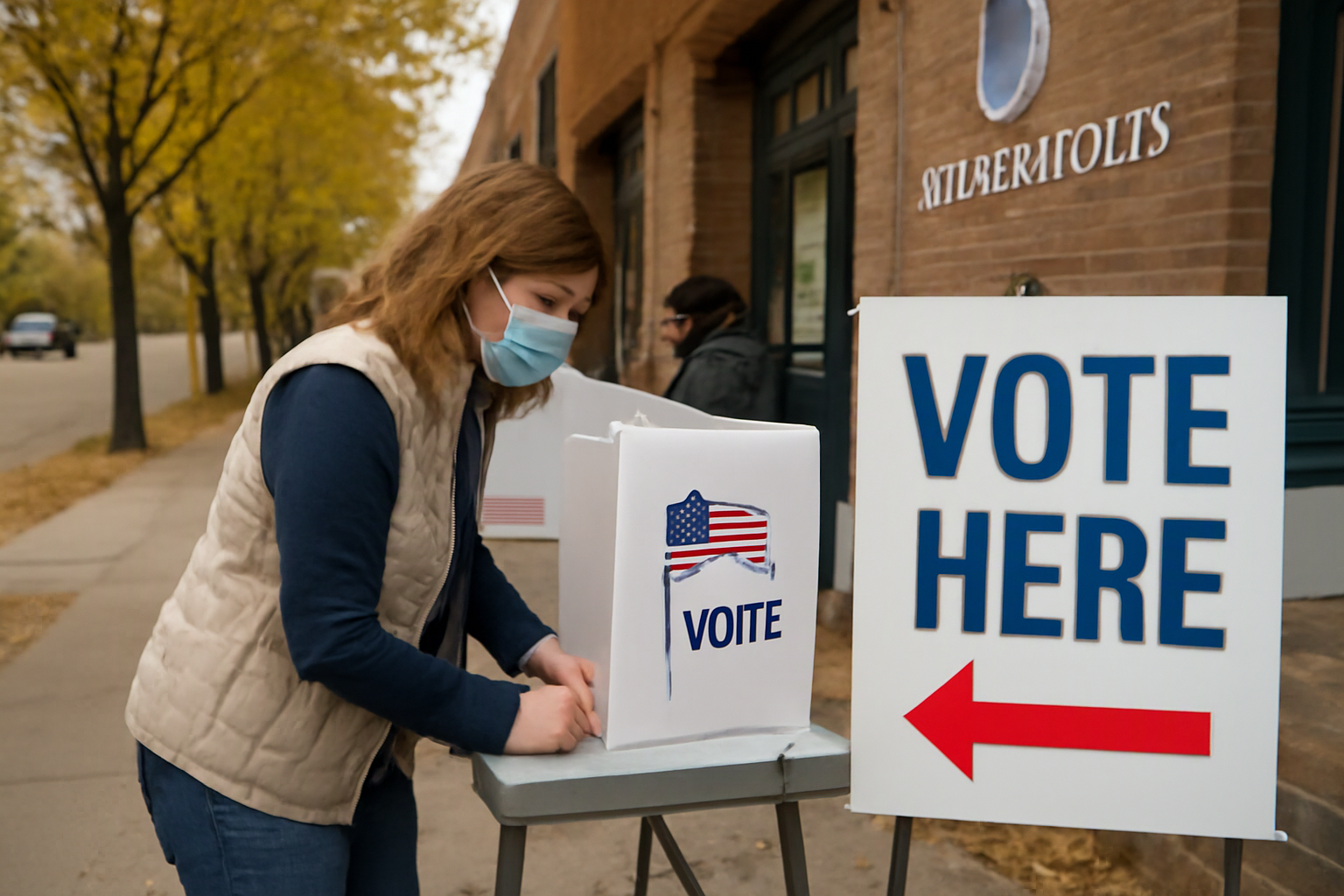
As the sun rose over Minnesota on Election Day, a palpable energy filled the air. Voters lined up at polling places across the state, eager to make their voices heard. For many, this midterm election was not just another trip to the ballot box; it was a chance to shape the future of their communities and uphold their civic duty. By the end of the day, Minnesota would once again prove its commitment to democracy by leading the nation in voter turnout.
In a remarkable display of civic engagement, Minnesota voters set a new state record by casting over 2.8 million ballots during the midterm elections. This turnout not only surpassed previous records but also positioned Minnesota at the forefront of national voter participation. According to the Minnesota Secretary of State, this turnout represents approximately 60% of eligible voters in the state.
The enthusiasm was evident in every corner, from urban neighborhoods in Minneapolis to rural communities in the north. Many voters expressed a sense of urgency about the issues at stake, including education, public safety, and healthcare. For first-time voters, the experience was particularly poignant. “I’ve never felt this connected to my community before,” said Sarah Johnson, a 19-year-old voter from St. Paul. “It feels good to know my vote matters.”
This surge in participation is a continuation of Minnesota's proud tradition of high voter turnout, a trend that has been consistent for decades. The state has often led the nation in elections, demonstrating a strong commitment to civic engagement. This year’s record turnout is a testament to the hard work of local organizations and election officials who have tirelessly promoted voter registration and education.
Several factors contributed to this impressive voter turnout. First and foremost, the highly competitive races for local and state offices drew significant attention. Candidates on both sides of the aisle worked hard to engage constituents, hosting town hall meetings and reaching out through social media. The stakes were high, and voters recognized the importance of their participation.
Additionally, the implementation of same-day registration in Minnesota has long been a game-changer. This policy allows voters to register and cast their ballots on the same day, making it easier for those who may have missed the traditional registration deadline. According to the National Association of Secretaries of State, Minnesota consistently ranks among the top states for accessibility and voter-friendly policies.
Local organizations played a crucial role in mobilizing voters this election cycle. Groups such as the League of Women Voters and Minnesota Votes organized outreach programs to educate citizens about the voting process. Their efforts included door-to-door canvassing, informational workshops, and social media campaigns aimed at demystifying the voting process.
Community leaders also emphasized the importance of voting as a means to honor the sacrifices made by those who fought for civil rights. Many voters cited this sense of responsibility as a motivating factor. “I vote to honor my grandparents who marched for our rights,” said James Lee, a Minneapolis resident. “Every vote is a step towards progress.”
The impact of such high voter turnout extends beyond just numbers; it reflects the community's values and priorities. With over 2.8 million ballots cast, the results of this election will undoubtedly shape policies that affect education, healthcare, and public safety in Minnesota.
Local officials are already preparing to address the concerns raised during the campaign. Mayor Jacob Frey of Minneapolis noted, “The high turnout shows our residents care deeply about their future. We will work diligently to ensure their voices are heard in our decision-making.” Frey emphasized that this election was not just about the immediate results but about the long-term vision residents have for their city.
Moreover, the turnout was not just a reflection of individual voter commitment but also a community-wide effort to engage and educate. Organizations like the Minnesota Votes coalition have been pivotal in this regard, focusing on outreach to underrepresented communities. Their initiatives included targeted campaigns in neighborhoods with historically low voter turnout, ensuring that all voices were included in the electoral process.
The community's commitment to civic engagement also fosters a sense of unity. As residents come together to discuss the issues that matter most to them, they build stronger connections. This engagement is crucial for the health of democracy, as it encourages ongoing dialogue and collaboration among citizens. Local coffee shops and community centers became informal hubs for discussion, where residents could share their thoughts on the election and its implications.
As Minnesota celebrates this historic turnout, the focus now shifts to the future. Local leaders and organizations are already strategizing ways to maintain this momentum leading up to the next election cycle. The goal is to continue fostering an environment where every citizen feels empowered to participate in the democratic process.
Education will be a key component of these efforts. Initiatives aimed at teaching young people about the importance of voting and civic engagement are set to expand. Programs in schools and community centers will prioritize voter education, ensuring that the next generation understands their rights and responsibilities. Partnerships with local schools are being strengthened, with educators emphasizing the significance of civic participation in their curricula.
Furthermore, local leaders are committed to addressing the issues that drove voters to the polls this year. By focusing on community needs and concerns, they hope to build trust and encourage even higher participation in future elections. “We have a responsibility to listen to our constituents and act on their behalf,” said State Senator Patricia Torres Ray. “Our work is just beginning.” This sentiment resonates throughout the community, as residents express a desire for ongoing engagement with their elected officials.
In conclusion, Minnesota's record-breaking voter turnout in the midterm elections is a powerful reminder of the strength of civic engagement. As communities come together to advocate for their values and priorities, they pave the way for a brighter future. The commitment to democracy, family, and community remains strong in Minnesota, and residents are determined to continue this legacy. The path forward is clear: it is not only about voting but about creating a culture where every citizen feels their voice is essential in shaping the policies that affect their lives.
By Marcus Chen

By Katherine Langford

By Katherine Langford

By Katherine Langford