Sports
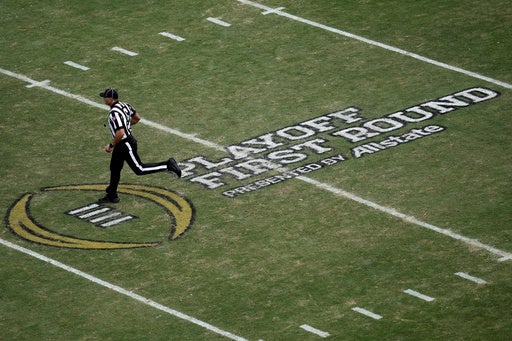
America finds out: Why the first CFP rankings of the season drop on election night
By Marcus Chen
Advertisement · Why this ad?
Marcus manages the day-to-day editorial workflow across all brands, coordinating coverage assignments and ensuring editorial standards are met. He previously served as city editor at the Pioneer Press and holds a degree in Political Science from Carleton College.
More from Marcus →
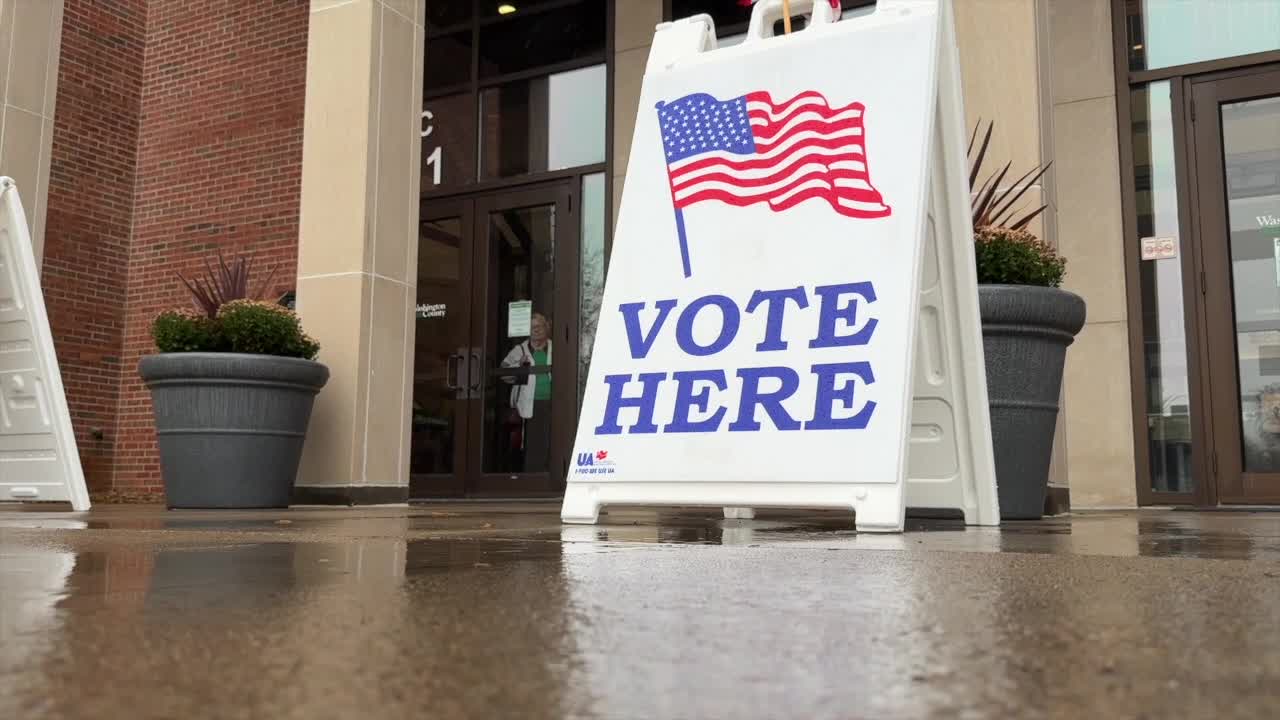
As the sun rose over Minneapolis on Election Day, a palpable energy filled the air. Voters lined up outside polling places, eager to cast their ballots and make their voices heard. This year’s midterm elections are pivotal, with local and national implications that could shape the future of our communities. Across Minnesota, residents are engaged, informed, and ready to participate in the democratic process.
On November 8, 2022, Minnesota voters headed to the polls for the midterm elections, a crucial moment in the political landscape. With key races at stake, including the U.S. Senate and House of Representatives, the stakes were high. According to the Minnesota Secretary of State, over 1.5 million residents had already voted early or by absentee ballot, indicating a strong turnout.
The Minnesota Weather Authority issued alerts for rain throughout the day, but that did not deter voters. In fact, many saw the rain as a reminder of the importance of civic duty. Polling places remained busy as voters navigated their choices on issues ranging from education funding to healthcare reform.
The enthusiasm for participation was evident in neighborhoods across the Twin Cities. Local organizations mobilized efforts to educate voters about the candidates and issues on the ballot. Groups such as the Minnesota Secretary of State's office provided resources to ensure that every eligible voter could make informed decisions.
In South Minneapolis, volunteers from various community groups handed out flyers and offered rides to polling locations. “It’s about making sure everyone has a voice,” said Maria Gonzalez, a local activist. “We want to empower our community to take part in this process.” The collaborative efforts showcased the strength of community ties and the shared commitment to uphold democratic values. In neighborhoods like Powderhorn and Phillips, where diverse populations intersect, the urgency of voter turnout was felt particularly keenly. Local leaders organized door-to-door campaigns, engaging with residents in multiple languages to ensure that language barriers did not hinder participation.
In addition to grassroots efforts, local businesses also played a role in promoting civic engagement. Coffee shops and restaurants offered discounts to customers who showed their voter registration cards, creating a buzz around the importance of voting. Local business owner Sarah Kim noted, “We want to encourage our customers to participate in democracy. Every vote matters, and we are proud to support our community in this way.” These initiatives not only incentivized voting but also fostered a sense of community pride and collective responsibility.
Local media played a crucial role in informing the public about the elections. ABC News and other outlets provided comprehensive coverage, breaking down the races and highlighting key issues that mattered to voters. Their reports not only kept residents updated but also encouraged dialogue around the importance of voting.
“Our goal is to provide accurate and timely information,” said Tom Anderson, a news anchor at KSTP. “We want to ensure that people understand what’s at stake and feel motivated to participate.” This commitment to transparency and engagement is vital for fostering an informed electorate.
In the days leading up to Election Day, KSTP hosted several forums where candidates discussed their platforms and answered questions from the community. These forums were streamed online, allowing wider access to information and encouraging discussions among residents who might not have been able to attend in person. The forums were a testament to the role media plays in enhancing democratic participation and ensuring voters feel connected to the electoral process. Additionally, local podcasts and social media platforms amplified these discussions, creating a vibrant online community where voters could share their thoughts and experiences.
As the day progressed, reports indicated a steady flow of voters at polling stations. By the time the polls closed, it was clear that this midterm election would see one of the highest turnouts in recent history. The Minnesota Secretary of State projected a turnout of approximately 60%, a significant increase compared to previous midterms.
This surge in participation reflects a growing awareness among citizens about the impact of elections on their daily lives. Issues such as public safety, education, and healthcare have resonated with voters, driving them to the polls. Local resident James Lee noted, “I’ve never seen so many people engaged in an election. It’s inspiring to see my neighbors stepping up to make a difference.” The collective excitement was palpable, with many voters sharing their experiences on social media, using hashtags to connect and encourage others to participate.
The increase in voter turnout is particularly significant in historically underrepresented communities. Organizations like the Minnesota Secretary of State's office and other advocacy groups focused on outreach efforts to ensure that marginalized voices were heard. “We worked hard to reach out to communities of color, young voters, and those with disabilities,” said community organizer Laura Chen. “Every effort counts, and we are thrilled to see the results of our work reflected in the turnout.” This grassroots mobilization was crucial, especially in areas where previous elections had seen lower engagement. Many community members expressed hope that this momentum would carry into future elections, fostering a culture of civic participation.
As ballots are counted and results begin to roll in, the focus will shift to understanding the implications of the elections. For many, this means looking ahead to how elected officials will address the pressing issues facing the state. The Minnesota Chamber of Commerce emphasized the importance of collaboration between lawmakers and local businesses to foster economic growth.
“We need leaders who understand the challenges we face and are willing to work together,” said Chamber President Jenna Smith. “The outcomes of these elections will shape the future of our economy and community well-being.” The conversations sparked by this election will undoubtedly continue as residents advocate for their needs and priorities. Local leaders are already discussing potential initiatives to address critical issues such as affordable housing and public transportation, with community forums planned to gather input from residents.
In the coming weeks, community organizations will debrief the results and strategize for future initiatives. The focus will be on ensuring that all voices remain heard and that the momentum generated during the election carries into future civic engagement efforts. Local activist Maria Gonzalez expressed optimism, stating, “This election has shown us that our community cares deeply about the issues. We will continue to push for change, and we will hold our elected officials accountable.” Furthermore, discussions around policy changes and community needs will be essential as residents look to their leaders for actionable solutions. Town hall meetings are expected to be scheduled in the coming months to facilitate dialogue between constituents and elected officials. These events will provide a platform for residents to voice their concerns and priorities directly, ensuring that the democratic process continues well beyond Election Day.
As Minneapolis moves forward, the commitment to civic engagement remains strong. The lessons learned from this election cycle will likely inspire new generations of voters, emphasizing the importance of participation in shaping their communities. With ongoing efforts to educate and empower citizens, the future of democracy in Minneapolis looks bright.
By Marcus Chen
By Katherine Langford
By Katherine Langford
By Katherine Langford